Did you know marijuana can increase your risk of complications during and after surgery, including dental procedures? According to a study presented at the Anesthesiology 2022 Annual Meeting, adults who use cannabis have more pain after surgery than those who don’t use cannabis.
With each passing year, more people are using marijuana. It’s more important than ever to make sure that healthcare providers are consulting with patients about the potential impacts of cannabis usage. The Asheville Dental team fosters open conversations about the usage of cannabis so that patients can stay informed and feel confident about any treatment they may receive in our office.
It’s more important than ever to make sure that healthcare providers are consulting with patients about the potential impacts of cannabis use.
Due to marijuana’s classification as a Schedule 1 Substance under the Controlled Substance Act, limited data is available to show how it affects patients’ outcomes post-surgery. However, findings in an American Society of Anesthesiologists’ study found that patients who used marijuana 30 days pre-surgery experienced 14% more pain during the first 24 hours after surgery than those who never used it.
How Does Marijuana Affect Anesthesia?
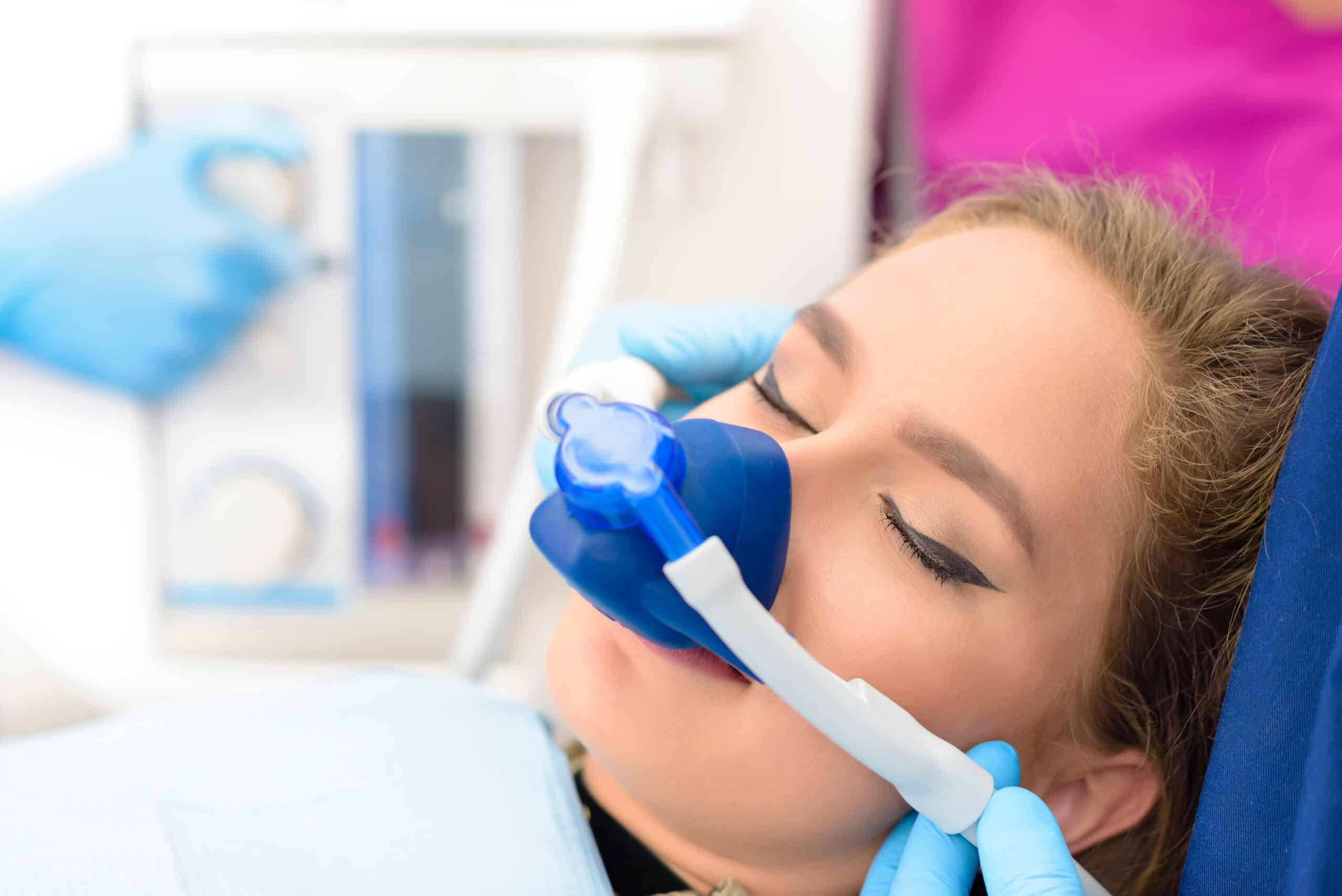
Researchers discovered that people who use cannabis are more likely to require additional anesthesia to feel numb and relaxed during procedures, sometimes needing as much as three times the amount than the average adult. The exact reason for this is unknown, but speculations suggest that marijuana could potentially desensitize the body’s receptors responsible for processing the effects of anesthesia.
Here is a list of risks associated with marijuana and anesthesia use:
- Raises the risks of bleeding, infections, and complications after cleanings, tooth extractions, root canals, and fillings.
- An insufficient amount of anesthesia causes more pain and discomfort.
- Becoming sedated and unconscious is more challenging, and using additional anesthesia can create more danger.
- Enhances pain and sensitivity after surgery, inducing the need for opioids and other painkillers.
- Increases the risk of developing airway sensitivity and heart problems, including heart attacks.
- Elevates heart rate and lowers blood pressure.
Before coming to an appointment that requires anesthesia or sedation, we highly encourage you to avoid all cannabis use for at least 72 hours…
What We Suggest
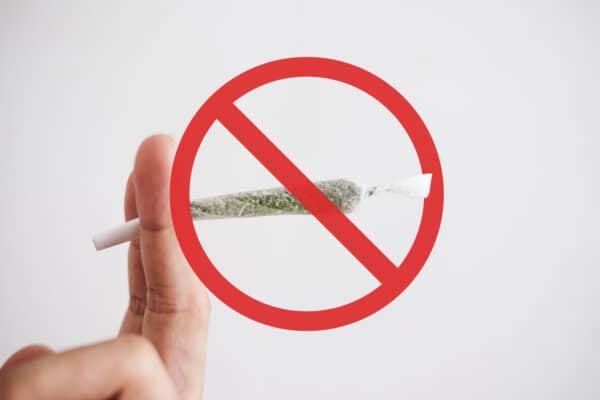
Before coming to an appointment that requires anesthesia or sedation, we highly encourage you to avoid all cannabis use for at least 72 hours (although, depending on the particular procedure, we may recommend a longer time). This includes not smoking, eating edibles, or using synthetic mind-altering substances.
Our team at Asheville Dental is committed to your oral and overall health, and you can trust us to be discreet and respectful with your medical information. Being honest about your marijuana use can help us keep you safe as we work to help your smile shine. If you have any questions, please contact us.