Sleep apnea is a challenging health issue anytime, but add in the scorching summer heat, and getting a good night’s rest can feel downright impossible.
Poor slumber gives you more than just brain fog; it contributes to serious medical problems like obesity, diabetes, hypertension, and heart disease. Discover how the sizzling temperatures impact this condition and what to do about it.
Snoring is usual among people with this syndrome, but not all snorers have this condition.
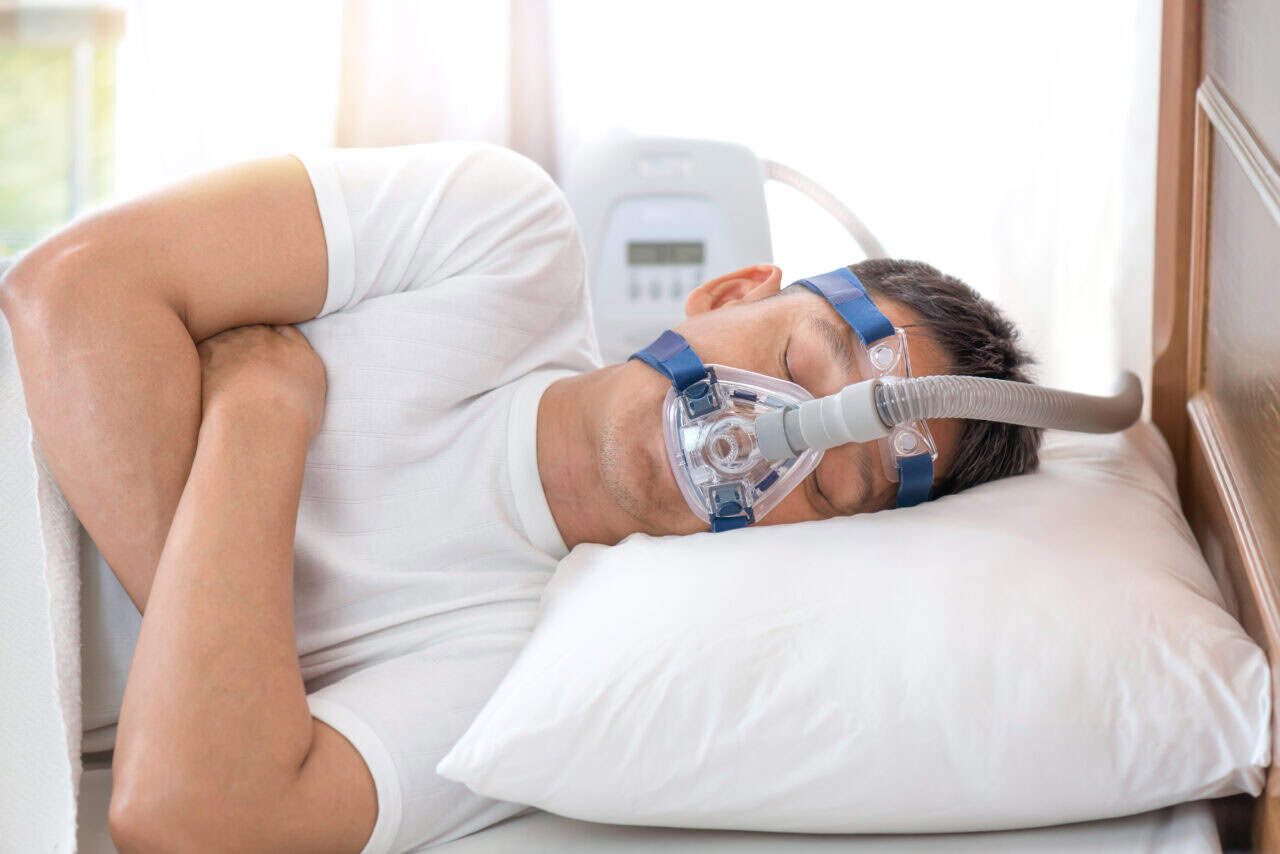
What is Sleep Apnea?
Sleep apnea is a common and serious disorder that happens when your breathing is interrupted during the REM cycle. Snoring is usual among people with this syndrome, but not all snorers have this condition.
If you have this ailment, you’re probably unaware of these short breathing pauses that occur hundreds of times a night. However, you may experience several dental symptoms that are often due to excessive teeth grinding or jaw clenching that can occur with sleep apnea:
- Cracked, broken, or missing teeth
- Worn front teeth
- Chronic headaches
- Neck and shoulder pain
If you have excellent oral health but have been told that you snore, consider recording yourself or asking your bed partner for a full snore report.
The risk of experiencing sleep apnea increases by nearly 50% on nights when temperatures hit 80 degrees Fahrenheight or higher.
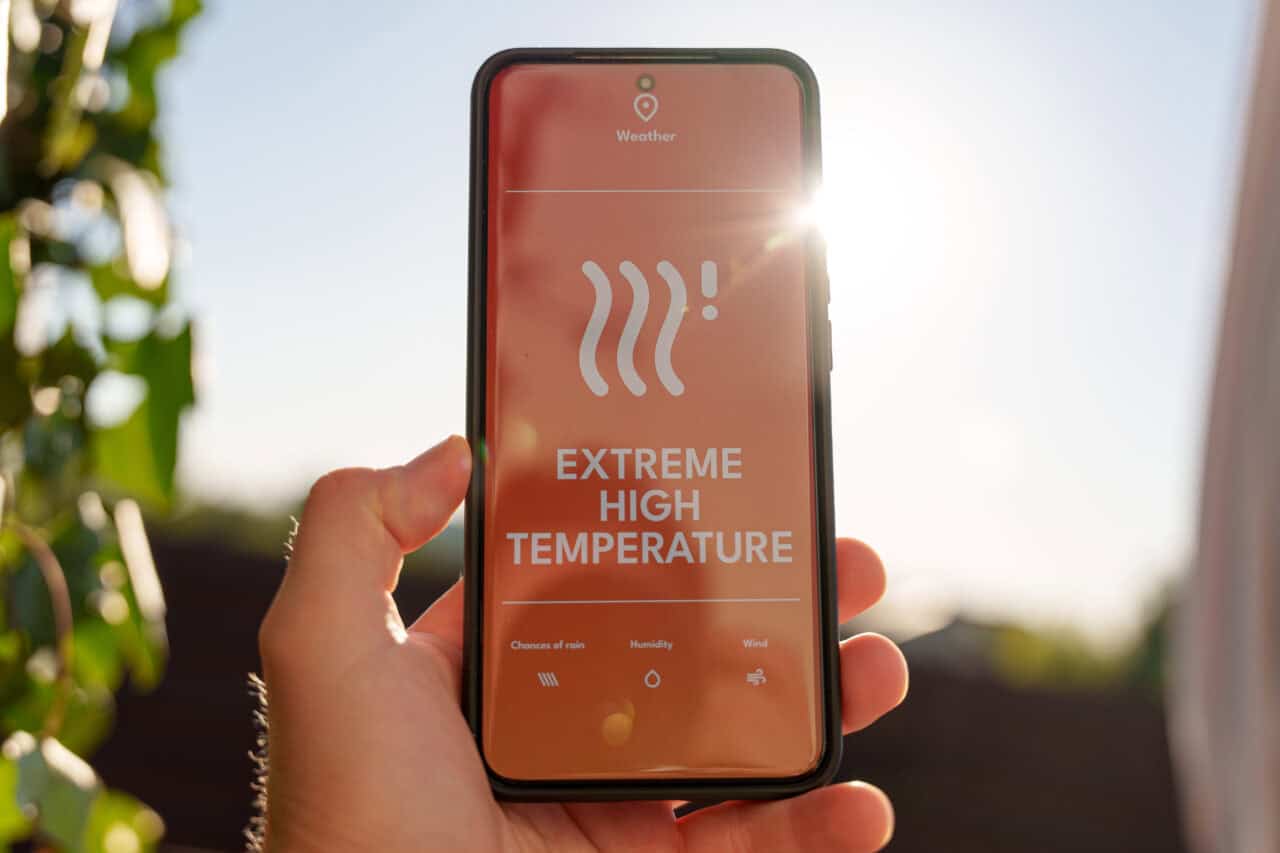
How Does Hot Weather Affect Sleep Apnea?
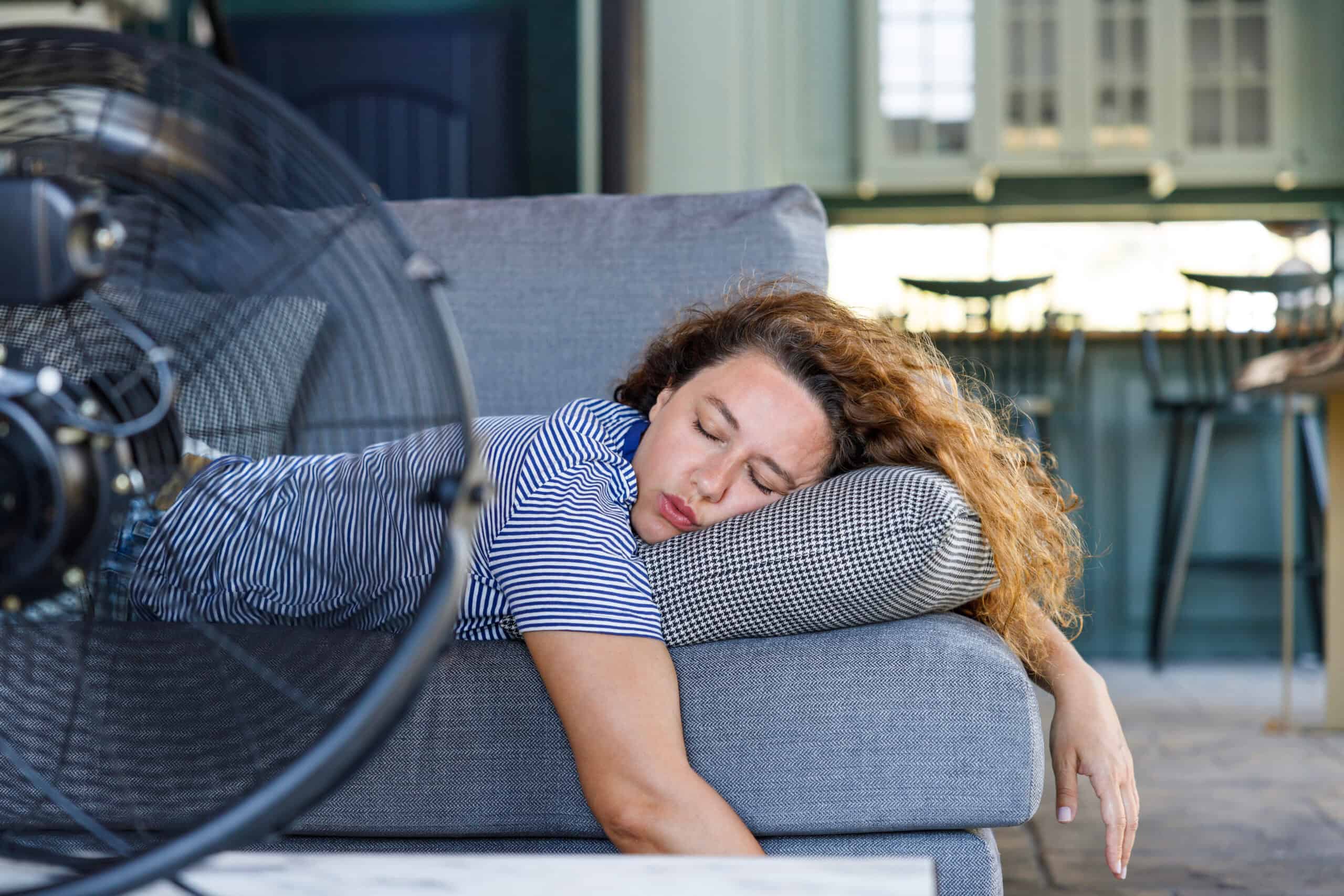
Extreme heat can create an uncomfortable environment, making it tough to fall and stay asleep. A new study shows that the risk of experiencing sleep apnea increases by nearly 50% on nights when temperatures hit 80 degrees Fahrenheight or higher. Other ways rising heat levels impact this health issue include:
- Reduced air quality. Hotter air can make it more difficult to breathe, which exacerbates respiratory issues like sleep apnea.
- Increased body temperature. Elevated heat levels interfere with the body’s natural cooling process, making it more tricky to get quality shut-eye.
- Disrupted circadian rhythm. Extended daylight hours and warmer nights throw off your internal rest-wake cycle.
If you’re noticing more disrupted patterns or worsening apnea symptoms during warmer evenings, it may be time to adjust your environment or talk to your dentist.
Drinking before bed can lead to dehydration and affect your body’s ability to cool down through sweating. It may also disrupt your nightly patterns, so skip the nightcap when it’s hot.
Tips for Managing Symptoms
When hot weather aggravates your sleep apnea symptoms, try some of these tips to improve your breathing and get better rest.
- Keep it dark. Close your shades during the day to block heat and sunlight. For best results, invest in blackout curtains to keep your room cooler and darker.
- Stay hydrated. Sip chilled or iced water throughout the day to regulate body temperature. Proper hydration supports overall health, making it easier for your body to stay cool at night.
- Choose lighter clothes. Opt for loose, breathable clothing to avoid trapping heat while you snooze.
- Swap heavy bedding. Trade thick blankets for lighter materials. Pro tip: Cotton and linen are great options for better airflow and breathability.
- Time your workouts. Avoid working out within 90 minutes of bedtime, as physical activity raises your core body temperature, making it harder to drift off.
- Watch the alcohol. Drinking before bed can lead to dehydration and affect your body’s ability to cool down through sweating. It may also disrupt your nightly patterns, so skip the nightcap when it’s hot.
Simple changes to your evening routine will go a long way toward easing symptoms and helping you rest more comfortably, even on the sweatiest nights.

Treating Your Sleep Apnea at Asheville Dental
At Asheville Dental, we offer a comfortable alternative to those suffering from sleep apnea and other disorders. We’ll provide the best lifestyle recommendations and comfortable oral devices to help you get a peaceful night’s rest.
If you have questions about sleep apnea, call us today for a free consultation.