
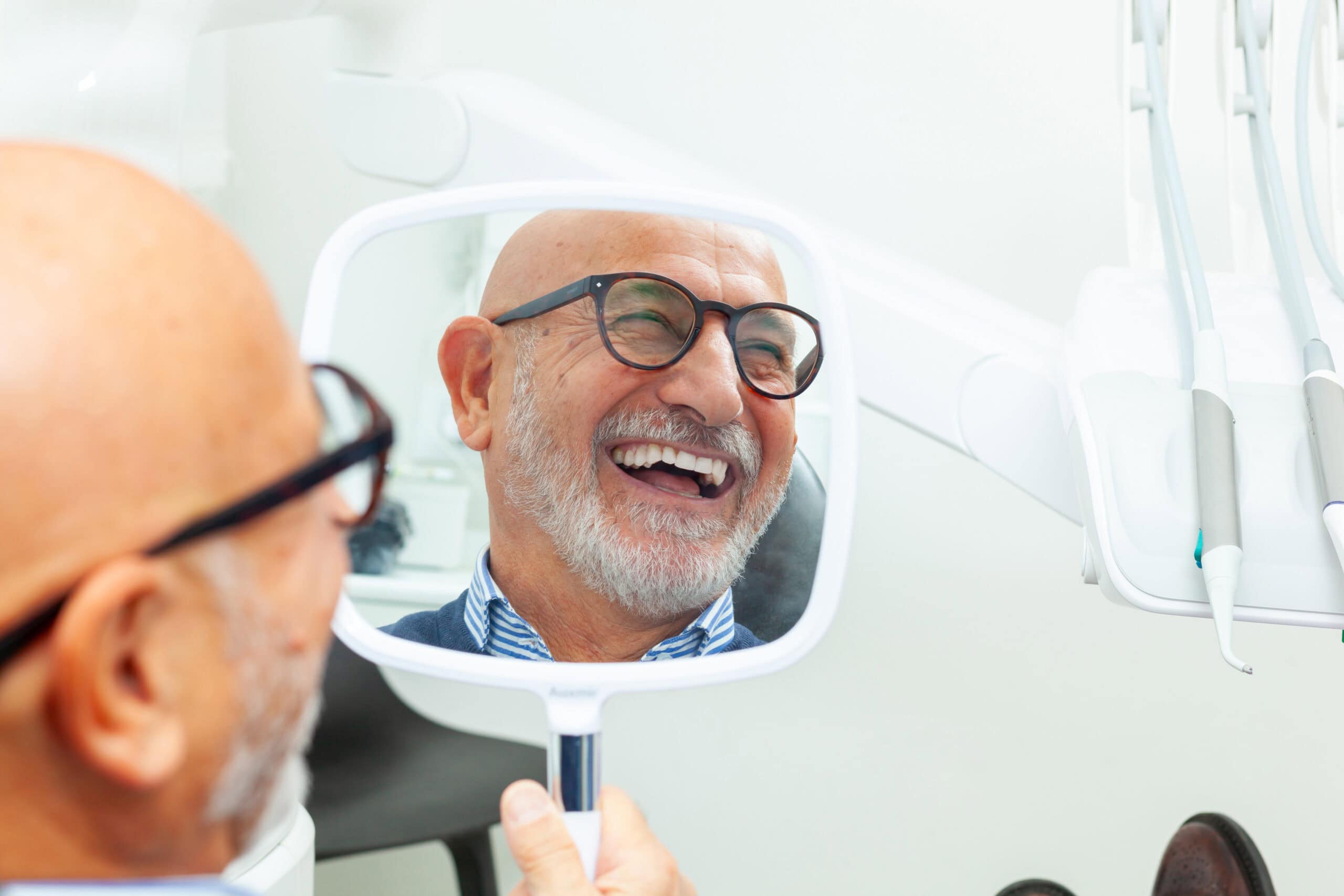
Veneers are more popular than ever, but they’re not the only way to enhance your smile. Dental bonding is another highly effective option, and many patients wonder which treatment is right for them.
The experts at Asheville Dental break down the differences between the two, including appearance, structure, and how long each lasts, so you can feel confident choosing the treatment that works best with your smile.
With bonding, we can replicate what you already have; with veneers, we can redesign your smie. —Dr. Jeremey Ledford

What You Need to Know About Dental Veneers
Dental veneers are thin, custom-made shells designed to cover the front surfaces of your teeth. The shells are typically made from porcelain or composite materials and are carefully crafted to match your natural teeth’s color, shape, and size.
How Do They Work?
Veneers camouflage dental imperfections to create a brighter, more uniform smile. They maintain the functionality of your regular teeth and are a popular option for patients looking for long-term results. You may be a good candidate if you want to correct:
- Chipped or cracked teeth
- Gaps between teeth
- Misshapen or uneven teeth
- Stains that won’t budge
Because the procedure is considered cosmetic, your oral health must be in good condition— meaning you don’t have active gum disease or extensive tooth decay.
Dental bonding is a more conservative, cost-effective alternative that preserves more enamel than veneeers and, in certain cases, does not require any removal of the tooth’s enamel.
What Is Dental Bonding?
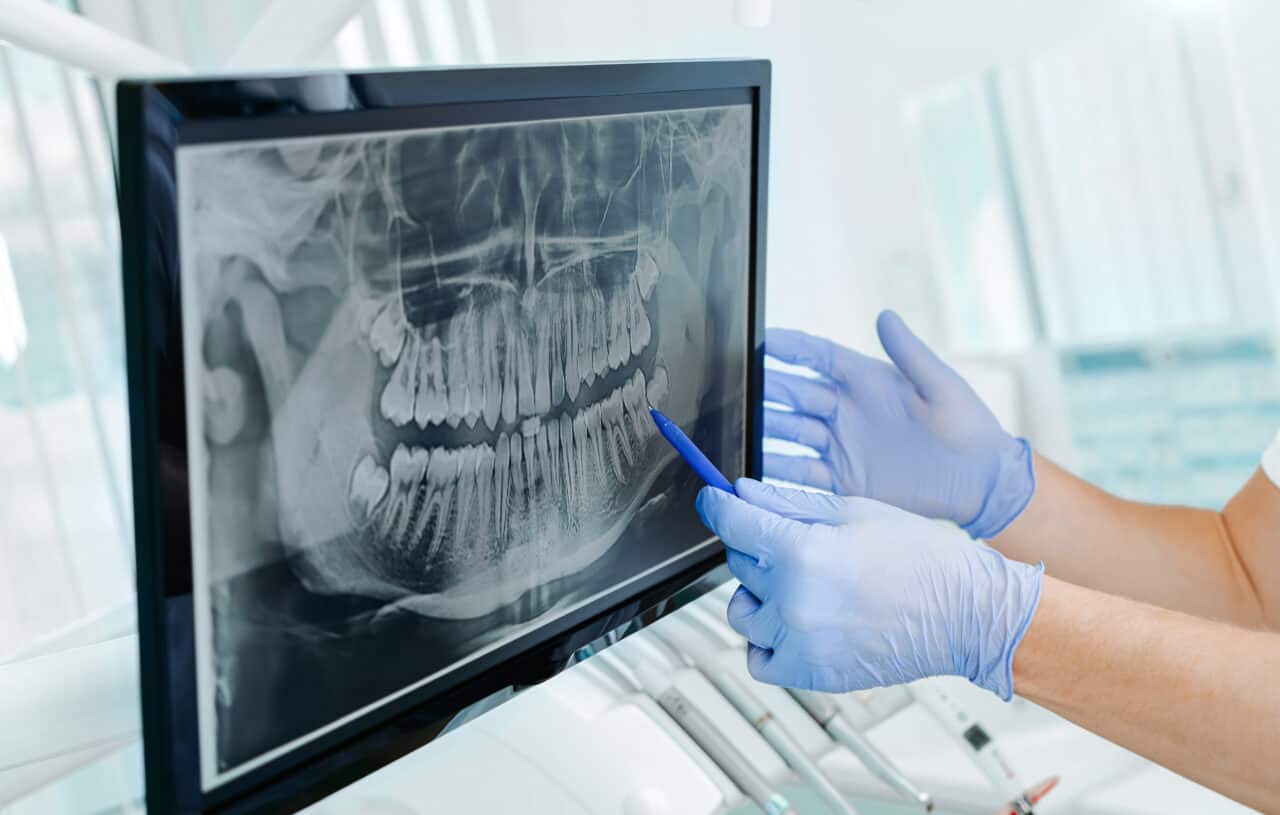
Dental bonding is a more conservative, cost-effective alternative that preserves more enamel than veneers and, in certain cases, does not require removing any tooth enamel. Our dentists recommend bonding to:
- Close small gaps and spaces
- Conceal discoloration or staining
- Make teeth appear longer or more proportionate
- Reshape uneven or worn teeth
- Repair chips or minor cracks
What Can I Expect?
Dental bonding uses composite resin—a durable, tooth-colored material made from plastic and finely ground glass particles—to restore your smile. This process is straightforward and typically completed in one visit. The treatment consists of multiple steps:
- Shade selection. Your dentist will select a shade that closely matches your natural teeth for a seamless result.
- Tooth preparation. The tooth’s surface is gently roughened, and a liquid is applied to help secure the resin.
- Application. The composite resin is applied, then carefully shaped and sculpted to achieve symmetry.
- Curing. Your dentist will use a curing light to harden the material so it bonds to the tooth.
- Polishing. Finally, they’ll make adjustments and polish the surface for a natural-looking shine!
The procedure takes about 30 to 60 minutes per tooth. Results can last between three and 10 years, depending on your oral habits and maintenance. Touch-ups are simple if needed over time.
Which Option Is Right for Me?
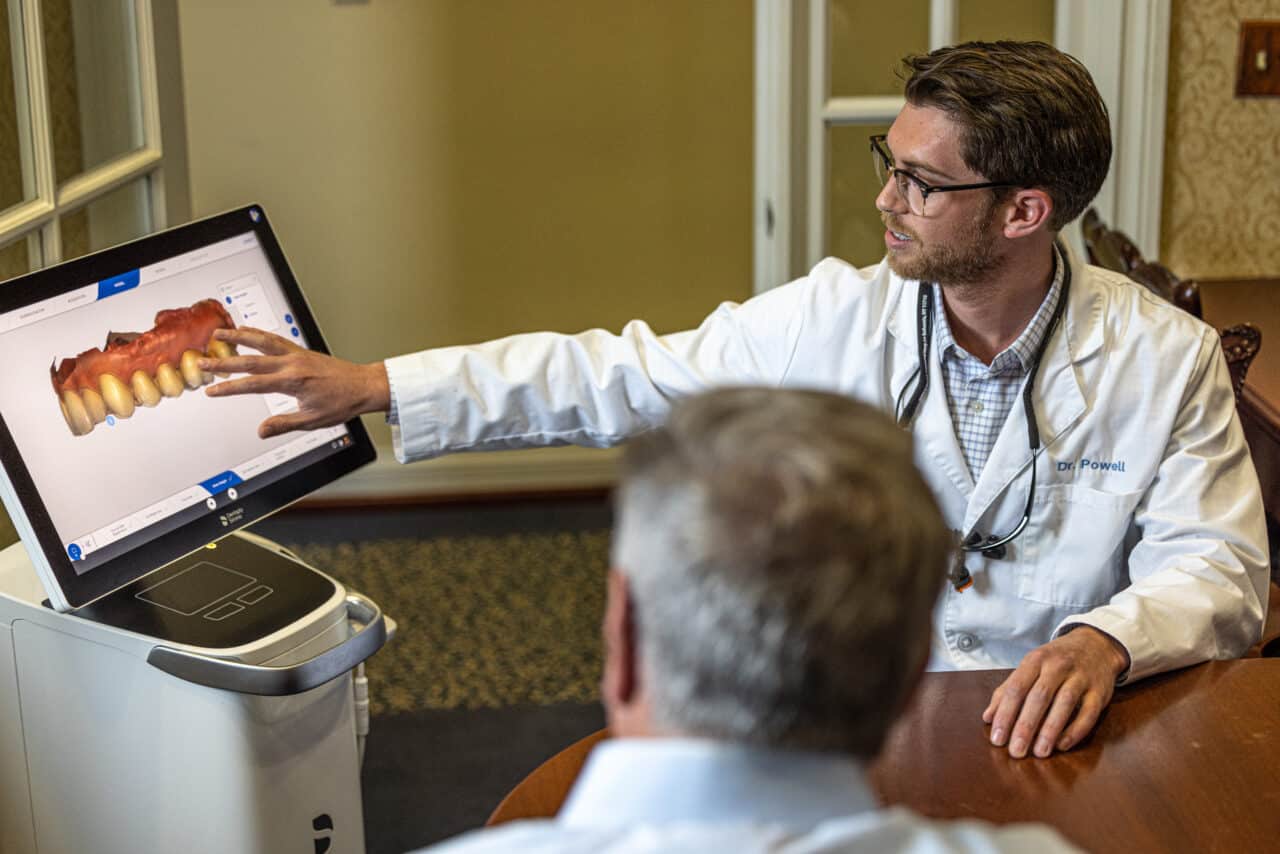
Choosing between veneers and bonding ultimately comes down to your goals, timeline, and the level of transformation you hope to achieve. Consider asking yourself:
- How dramatically do I want to change my smile?
- Am I looking for a quick, single-visit option?
- What investment am I comfortable making right now?
The easiest way to decide? Schedule a consultation with Asheville Dental today! We’ll evaluate your smile, discuss your objectives, and recommend the solution that best aligns with you.